
Document Authentication with a Apostille: What You Need to Know
American Health Biometrics Editorial Team — view author bio & areas of expertise →
Reviewed by the American Health Biometrics Compliance Team — Long Beach, CA — Live Scan, notary & apostille operations
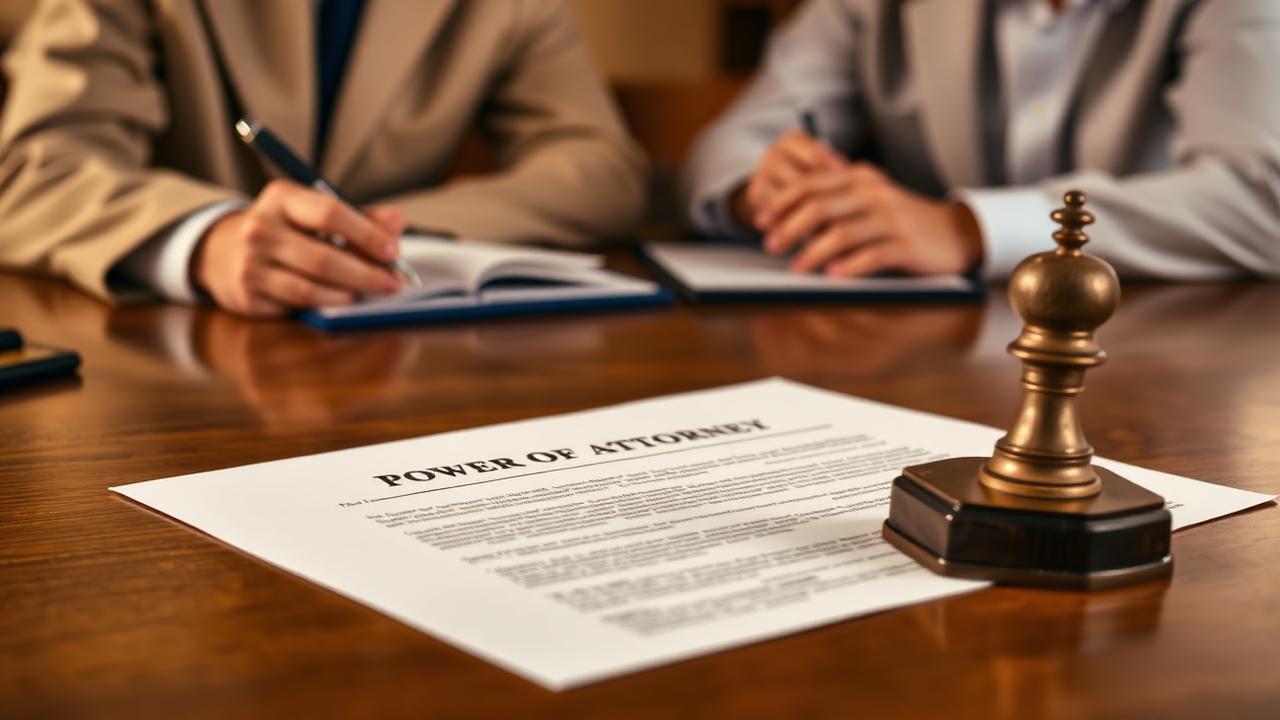
In today’s interconnected world, individuals and businesses frequently need documents authenticated for international use. Whether you are applying for a job overseas, pursuing higher education abroad, or conducting cross-border transactions, ensuring that your documents are valid in other countries is crucial. A state-issued apostille provides a straightforward solution to this requirement.
An apostille is an official certificate that validates the authenticity of documents for use in foreign countries that are part of the Hague Apostille Convention of 1961. Below, we explain how to obtain one, the types of documents that require it, and the benefits it provides.
How to Authenticate a Document with a State-Issued Apostille
First, you need to determine whether your document qualifies for an apostille. Documents such as birth certificates, marriage licenses, academic transcripts, and business certifications often require authentication for international use. After confirming eligibility, you can follow these steps:
- Verify the Document’s Status
Ensure that the document is an original or a certified copy from the issuing authority. Additionally, some states require notarization before the apostille process can begin. - Contact the Appropriate Office
Each state’s Secretary of State office handles the issuance of apostilles. Visit their website or contact them directly to understand specific guidelines. - Submit the Required Materials
Prepare your application, which typically includes the document, a completed form, and the applicable fee. Depending on your state, you can submit materials in person, by mail, or through a trusted third-party service. - Receive the Apostille
Once the office processes your request, they attach the apostille certificate to your document. This addition certifies the authenticity of signatures, seals, or stamps for international recognition.
By following these steps, you can quickly authenticate your documents without unnecessary delays.
What Types of Documents Require a State-Issued Apostille?
Several types of documents often need authentication through an apostille. These include:
- Personal Documents: Such as birth certificates, marriage licenses, death certificates, and criminal background checks.
- Educational Records: Including diplomas, transcripts, and professional certifications.
- Business Documents: Such as articles of incorporation, contracts, powers of attorney, and intellectual property registrations.
- Legal Papers: Including court orders, affidavits, and wills.
Each document type serves a specific purpose, making it essential to understand the requirements of the country where you intend to use them.
Why Should You Authenticate Documents with an Apostille?
Obtaining a state-issued apostille offers several advantages:
- Facilitates International Use
Countries that are members of the Hague Apostille Convention automatically recognize documents with an apostille, saving time and reducing complications. - Simplifies the Process
Compared to traditional consular legalization, the apostille process is faster, more accessible, and less expensive. - Provides Legal Assurance
Apostilles confirm the authenticity of signatures and seals, ensuring that foreign authorities trust the documents. - Ensures Compliance
Many international processes, including immigration, employment, and legal proceedings, require authenticated documents. - Improves Efficiency
By handling authentication properly, you can avoid delays and rejections when submitting documents abroad.
Conclusion
State-issued apostilles play a critical role in ensuring that your documents meet international standards. By understanding the process and the types of documents that require authentication, you can navigate this essential step with ease. Moreover, the benefits of obtaining an apostille, such as simplified procedures and enhanced credibility, make it an indispensable tool for global engagements.
Take the time to consult your state’s Secretary of State office or a professional authentication service to expedite the process. With the right approach, you can ensure your documents are recognized and accepted wherever they are needed.
Sources & References
- California Secretary of State — Apostille
- U.S. Department of State — Office of Authentications
- HCCH — Apostille Section
This article is for general information. Fingerprinting, notary, and apostille requirements are set by the requesting agency and can change — always follow the instructions provided by the agency requesting your documents.
Certified Live Scan provider submitting electronically to the California DOJ and FBI.
Fingerprint submissions are transmitted securely — we do not store your biometric data.
Serving Long Beach, Lakewood, Signal Hill, Cerritos, Carson and the greater Los Angeles area.
Rated by verified Google reviewers — see why clients choose us.
About American Health Biometrics
American Health Biometrics is a Long Beach, California provider of Live Scan fingerprinting, ink card fingerprinting, notary, and apostille services. We help applicants and employers complete California DOJ and FBI background check requirements in-office at 3816 Stineman Court Suite 104, or on-site through our mobile Live Scan service. Questions about your appointment? Call (562) 420-4692 or contact us.